MONTREAL, QUEBEC — There are coaching moves that strengthen a football organization. There are reunions that stir nostalgia.
And then there are homecomings that seem to reconnect a team with a piece of its own identity.
For the Montreal Alouettes, this one feels like the latter.
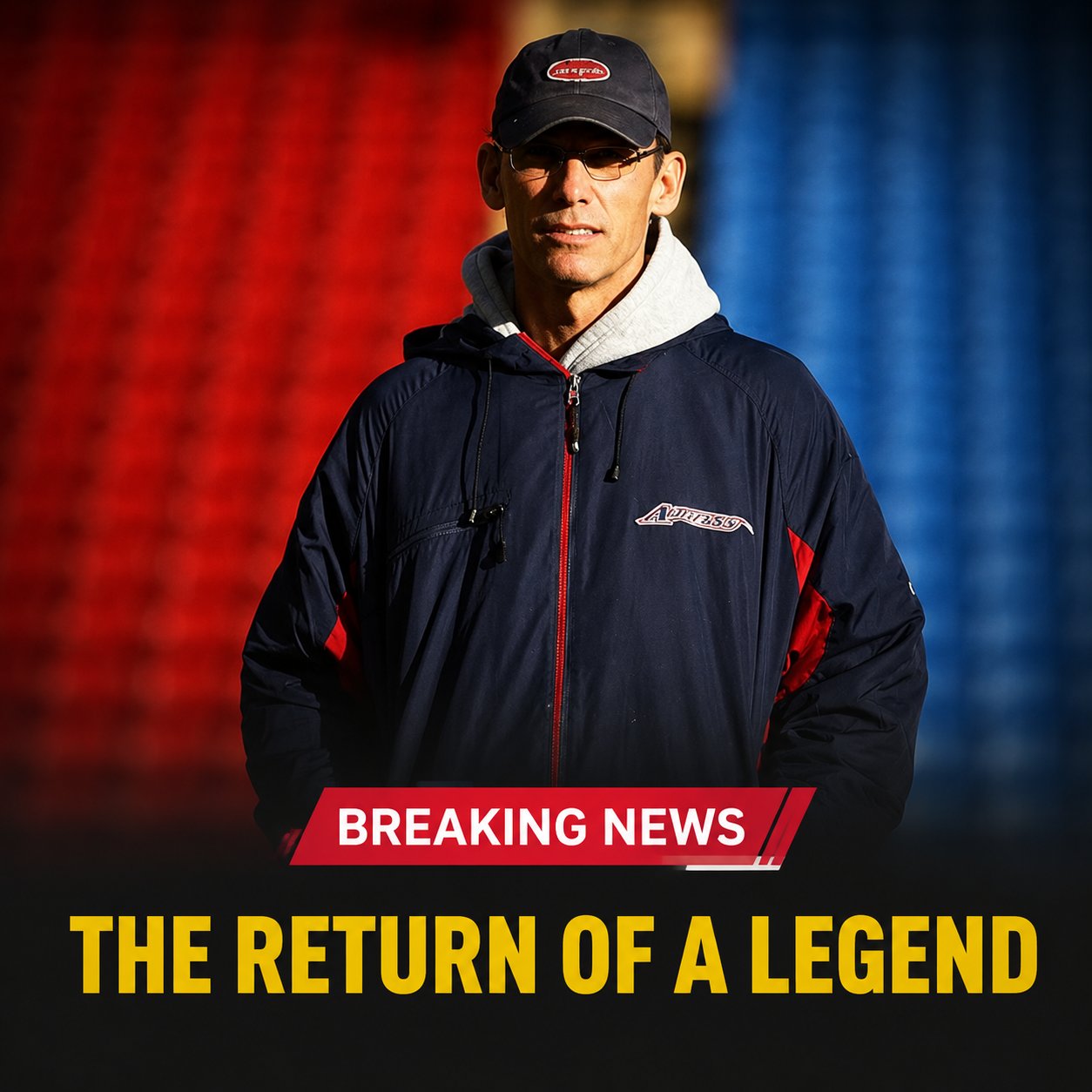
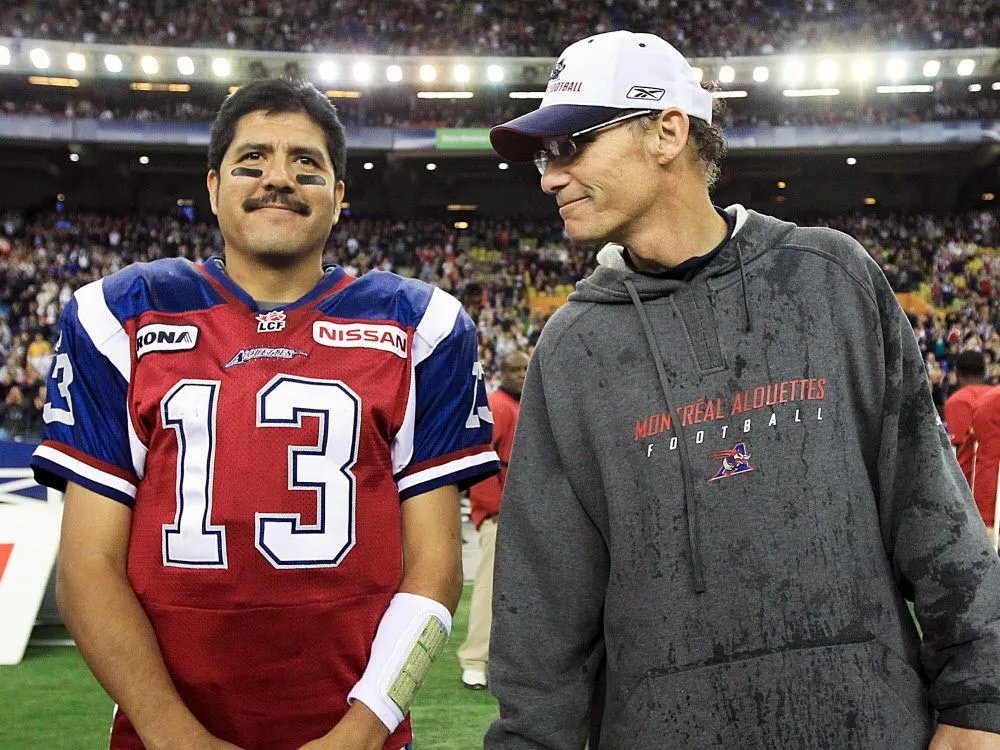
Former Alouettes head coach Marc Trestman, remembered for his offensive expertise, leadership, preparation, and deep connection to Montreal, is returning to the organization in a new role — a move that would immediately send a powerful message about the direction of the club.
For Alouettes supporters who remember his remarkable tenure, the reaction would be simple:
He’s coming home.
And this isn't merely about adding another experienced football mind to the organization.
It is about bringing back someone who understands what Montreal football means, knows the expectations surrounding the Alouettes and carries an emotional connection to the club that never truly disappeared.
A Bond With Montreal That Never Completely Disappeared
Canadian football is built around change.
Coaches move on.
Players retire.
Staff members pursue new opportunities.
Organizations rebuild.
But certain relationships survive all of it.
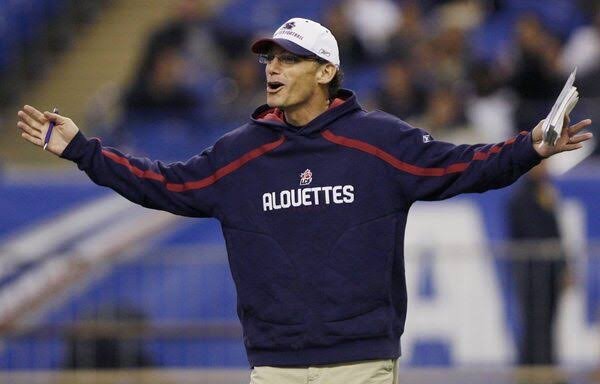
During his time with Montreal, Trestman became one of the most important figures in the modern history of the Alouettes.
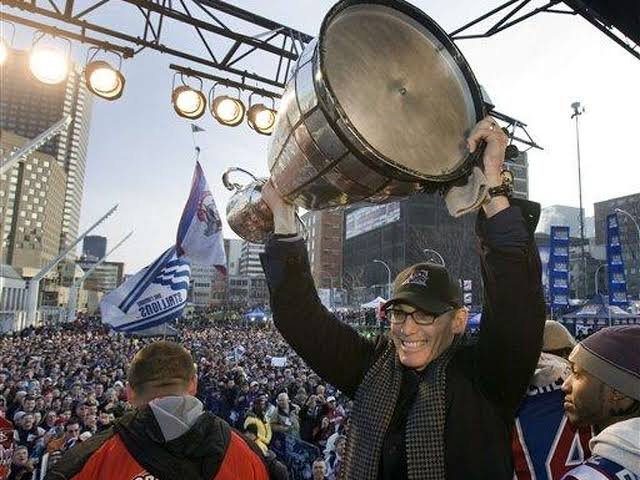
He served as head coach from 2008 through 2012 and led Montreal to back-to-back Grey Cup championships in 2009 and 2010.
His tenure established him as a significant part of the club's recent history.
His departure closed one chapter.
But it never completely ended the connection.
Now, years later and armed with additional experience, perspective, and football knowledge, Trestman would be walking back through familiar doors.
Only this time, his responsibilities would be different.
More Than a Ceremonial Reunion
The significance of the return would extend far beyond nostalgia.
Montreal wouldn't be bringing back a familiar face simply to celebrate the past.
A new role could allow Trestman to contribute offensive knowledge, leadership, mentorship, and another experienced football voice around the organization.
That distinction matters.
Modern football has become increasingly complicated.
Player development continues to evolve.
Roster construction can reshape a team quickly.
Offensive systems become more sophisticated.
And maintaining a recognizable team identity can be challenging.
Someone who already understands Montreal's culture could become particularly valuable in that environment.
There would be no lengthy adjustment period required to understand the history.
No explanation needed for what the Alouettes expect.
Marc already knows.
He lived it.
He helped build it.
Percival Molson Memorial Stadium Welcomes Back a Familiar Face
Perhaps the most fascinating element of the reunion would be seeing Trestman back around Percival Molson Memorial Stadium.
During his original Montreal chapter, offensive creativity and preparation were central to his coaching philosophy.
Players understood the expectations.
Practices demanded focus.
Game days carried enormous significance.
And the Alouettes developed a reputation for being one of the CFL's most dangerous teams.
For veterans, Trestman could provide perspective.
For younger players, he could become a teacher.
For coaches, he could offer another experienced football voice.
And for supporters, his return would create an emotional bridge between different eras of Montreal football.
That kind of connection cannot easily be manufactured.
Montreal doesn't have to create it.
It already exists.
The Timing Could Be Crucial
The Alouettes are operating in an era when stability, experience, and a strong identity can become increasingly valuable.
The CFL changes quickly.
Players come and go.
Coaching strategies evolve.
Young talent must develop.
Expectations rise.
Successful organizations usually have something anchoring them.
Culture.
Identity.
History.
That is where a Marc Trestman homecoming could become particularly meaningful.
A former coach returning wouldn't automatically transform everything.
Football games are still determined by preparation, execution, talent, strategy, and decisions made under pressure.
But successful organizations often surround their players with people who understand the standards they are trying to uphold.
Montreal could once again have one of those people around the organization.
And he wouldn't need to be convinced about what makes the Alouettes special.
He already lived it.
An Emotional Return — With Football Still Ahead
There would undoubtedly be emotional moments.
Former colleagues could reconnect.
Familiar hallways could bring back memories.
Longtime supporters would remember unforgettable victories, difficult defeats, and the glory of Montreal's Grey Cup championships.
But eventually, nostalgia would have to give way to football.
That may be exactly what makes this reunion so compelling.
Trestman wouldn't be returning merely to remember what happened before.
He would be returning to help influence what happens next.
His years of experience away from Montreal would have added new layers to his football philosophy.
Different organizations.
Different challenges.
Different players.
Different lessons.
Now the Alouettes could benefit from those experiences.
The familiar football intelligence remains.
The perspective is broader.
And the mission would be new.
Montreal Is Home Again
There is something uniquely powerful about returning to a place that helped define your career.
Football often celebrates new beginnings, but sometimes the most compelling beginning comes from reopening a door that once appeared permanently closed.
For Marc Trestman, Montreal isn't simply another stop on a résumé.
It represents relationships.
Memories.
Football.
History.
And unfinished possibilities.
That is why this move would feel bigger than an ordinary organizational announcement.
The Alouettes wouldn't simply be welcoming back a former head coach.
They would be welcoming back someone who understands their history while arriving prepared to help shape their future.
Soon, the lights would shine over Percival Molson Memorial Stadium again.
Players would take the field.
Alouettes colours would fill the stands, and another CFL season would bring its inevitable collection of pressure, opportunity, and drama.
But somewhere inside that stadium would be a familiar face experiencing it all from a new perspective.
A coach who once led Montreal.
A football figure whose connection to the Alouettes never completely disappeared.
And now, finally, someone who has found his way back.
He’s coming home — and Montreal may be about to rediscover some familiar fire.